
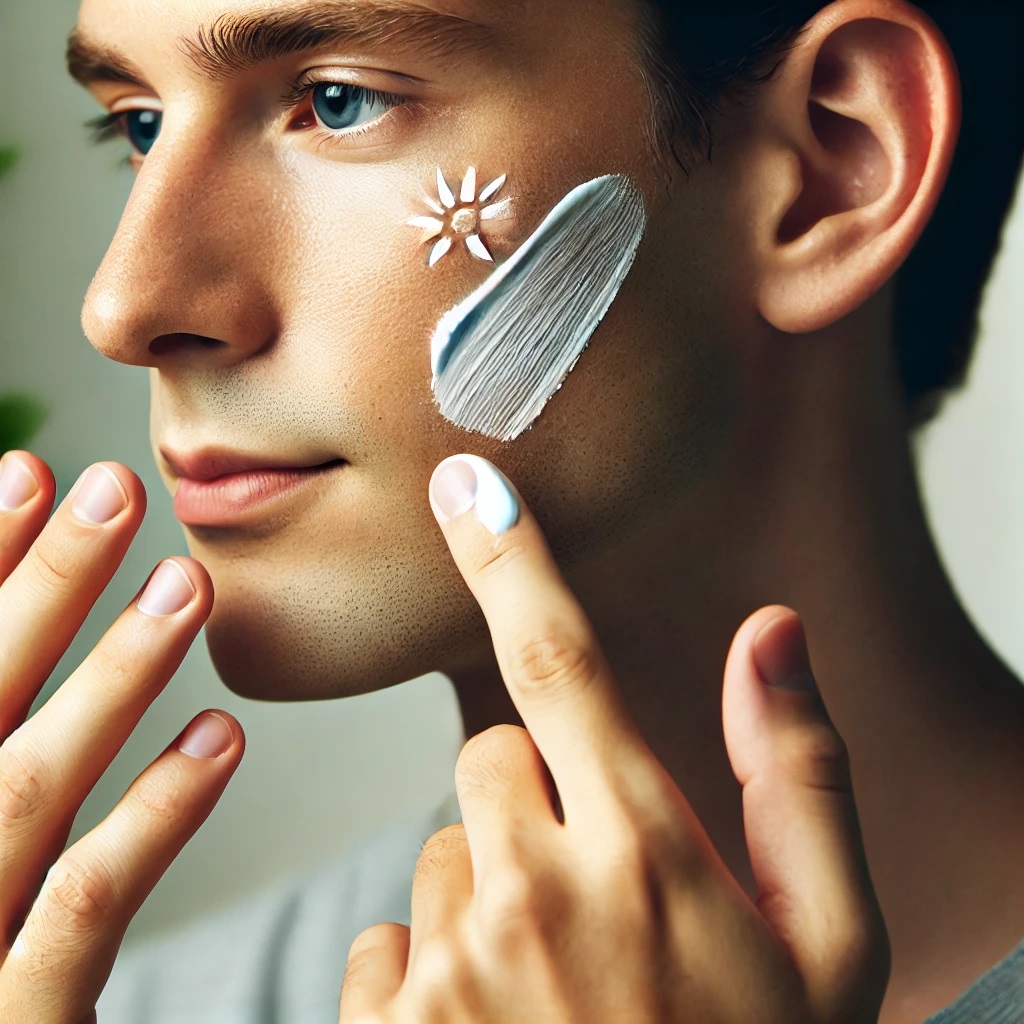
Today, I would like to share my thoughts about sunscreen. unless they have a personal or family history of skin cancer or other significant risks, I recommend avoiding sunscreen to allow for the therapeutic effects of sunlight.
As an esthetician, you likely spend a lot of time educating your clients about the importance of sunscreen. However, there are some lesser-known facts about sunscreen that even estheticians might not be aware of. Today, I want to share some valuable knowledge about when it’s appropriate to apply sunscreen and when it might be better to skip it.
UV Rays and Skin Aging
It’s well-known that UV rays are responsible for about 80% of skin aging. Therefore, avoiding sunlight and applying sunscreen have become common practices. However, I don’t recommend applying sunscreen daily to everyone under all circumstances.
Situations Where Sunscreen Might Not Be Necessary
There are certain scenarios where I advise clients that it may not be necessary to apply sunscreen, except in cases of outdoor activities where sun exposure is inevitable.
1. For Those with Vitamin D Deficiency
Vitamin D plays a crucial role in maintaining bone health and immune function. Due to indoor lifestyles, many people are prone to Vitamin D deficiency. In the U.S., it’s common for people to undergo regular blood tests, revealing a widespread deficiency. It’s said that obtaining Vitamin D through sunlight is more effective than supplements. Additionally, Vitamin D is better absorbed when taken alongside Vitamin A. Short periods of sun exposure, especially in the early morning or late afternoon when the sun’s rays are weaker, can help naturally produce Vitamin D. Spending 15-30 minutes in the sun can be very beneficial.
2. For Those with Seasonal Affective Disorder (SAD)
Seasonal Affective Disorder (SAD) is a type of depression that follows a seasonal pattern, typically beginning in the fall or winter and subsiding in the spring or summer. Sunlight can significantly improve mood, so I often advise against using sunscreen for individuals with SAD. In the U.S., many people are diagnosed with SAD, and unless they have a history of skin cancer or other significant risks, I recommend avoiding sunscreen to allow for the therapeutic effects of sunlight. In particular, it’s important to get plenty of sunlight during the winter months.
3. When Spending the Day Indoors
For those whose work or lifestyle is mostly indoors, the chances of UV exposure are minimal. Many windows are equipped with UV filters, so there is little need for sunscreen when staying indoors.
4. For Those Who Prefer Natural Skincare
Some individuals prefer to avoid chemical ingredients in their skincare routine, making them sensitive to sunscreen components. For these clients, I recommend natural skincare products and enjoying moderate sun exposure instead.
When to Definitely Apply Sunscreen
On the other hand, there are certain situations where I strongly recommend using sunscreen.
When Taking Antibiotics
When taking antibiotics, Langerhans cells, which are responsible for protecting the skin, temporarily cease to function, reducing the skin’s defense mechanisms. Langerhans cells are immune cells in the skin that play a crucial role in defending against external threats such as pathogens. As a result, sun damage can be more severe than usual. In particular, if you are taking strong antibiotics, it’s essential to protect your skin by applying sunscreen during the course of treatment.
Conclusion
Sunscreen is an essential tool for protecting the skin from UV rays, but it’s not necessary for everyone to apply it daily. Providing advice tailored to each client’s lifestyle and health condition is a key responsibility for estheticians.
Estheticians use this information to provide your clients with personalized skincare advice that suits their individual needs.
Leave a Reply